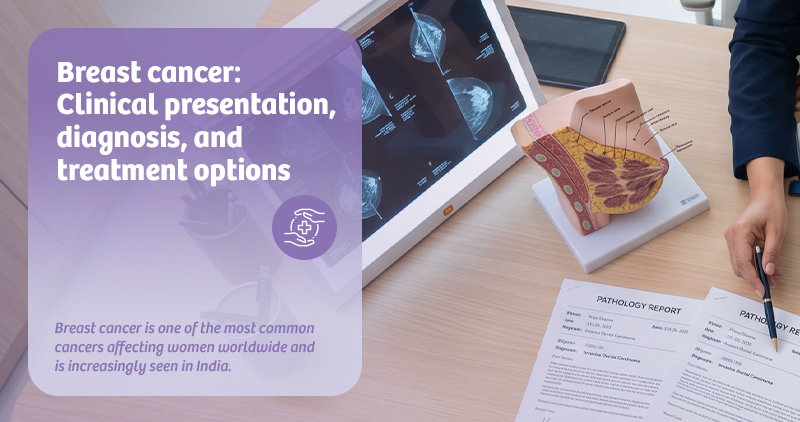
Breast cancer is one of the most common cancers affecting women worldwide. Thanks to medical advancements, treatment today is more effective, less invasive, and more focused on preserving quality of life. One of the most significant innovations in recent years is oncoplastic breast surgery. A modern approach that combines cancer removal with cosmetic reconstruction techniques.
For many women, breast cancer treatment is not just about removing the disease; it is also about maintaining confidence, body image, and emotional well-being.
Oncoplastic techniques in breast cancer surgery offer the best of both worlds: safe cancer treatment and improved aesthetic outcomes.
In this blog, we explore the latest advances in breast cancer surgery, the role of oncoplastic surgery, the benefits, procedures, recovery, and why it is changing the future of breast cancer care.

What is oncoplastic breast surgery?
Oncoplastic breast surgery is a specialised surgical technique that combines principles of oncology (cancer surgery) and plastic surgery. It is performed during breast cancer surgery to remove the tumour while reshaping or reconstructing the breast for a more natural appearance.
Traditionally, breast cancer surgery involved either
- Lumpectomy: Removing the tumour and a small margin of tissue
- Mastectomy : Removing the whole breast
While effective, these procedures sometimes left visible deformities or asymmetry.
Oncoplastic surgery helps correct this by using advanced reshaping methods immediately after tumour removal.
Why oncoplastic surgery is a major advancement in breast cancer treatment
Modern cancer care is patient-centred. Women today seek not only survival but also preservation of body image and confidence.
Key reasons for the rise of oncoplastic techniques
- Equivalent or even better survival outcomes
- Better cosmetic outcomes after surgery
- Preservation of breast shape and symmetry
- Ability to remove larger tumours while conserving the breast
- Reduced need for multiple surgeries
- Improved psychological recovery
- High cancer control standards
This makes oncoplastic surgery one of the most important advances in breast cancer surgery.
Types of oncoplastic breast surgery techniques
Depending on tumour size, breast size, and the location of the cancer, surgeons may use different techniques.
1. Volume displacement techniques
In this method, the remaining breast tissue is rearranged after tumour removal to reshape the breast.
Best for
- Medium to large breasts
- Small to moderate tumour removal
Examples include
- Breast reduction pattern surgery
- Breast lift (mastopexy) techniques
- Tissue reshaping
2. Volume replacement techniques
When a larger amount of tissue is removed, tissue from another part of the body may be used to fill the defect.
Common tissue sources
- Local tissue flaps
- Fat grafting
- Back muscle flap
Best for
- Smaller breasts
- Larger tumour defects
3. Symmetrisation surgery
To maintain balance, the opposite healthy breast may also be reshaped or reduced in size.
It helps achieve
- Better symmetry
- Improved posture
- Enhanced confidence
Latest advances in breast cancer surgery with oncoplastic approaches
1. Breast conservation with better outcomes
Earlier, large tumours often required mastectomy. Now, oncoplastic techniques allow many women to keep their breasts while ensuring complete cancer removal.
2. Hidden scar surgery
Modern incision planning places scars around the areola, breast fold, or less visible areas.
3. Nipple-sparing and skin-sparing surgery
For selected patients, surgeons can preserve the nipple and skin envelope while removing breast tissue.
It creates more natural reconstruction results.
4. Sentinel lymph node biopsy
Instead of removing many lymph nodes, surgeons can now remove only the first draining lymph node to check for spread.
Benefits include
- Less pain
- Lower risk of arm swelling
- Faster recovery
5. Immediate reconstruction
Reconstruction can often be done during the same surgery, reducing emotional stress and avoiding additional procedures.
Who is a good candidate for oncoplastic breast surgery?
You may be suitable if you have
- Early-stage breast cancer
- Localised tumour
- Desire for breast conservation
- Adequate breast tissue for reshaping
- Good general health
It can also be used in selected patients with larger tumours after chemotherapy.
Every case is unique, so evaluation by a breast cancer surgeon is essential.
Benefits of oncoplastic breast surgery
Physical benefits
- Effective tumour removal
- Natural breast contour
- Reduced deformity after lumpectomy
- Better scar placement
- Symmetry between breasts
Emotional benefits
- Improved self-esteem
- Less anxiety about body image
- Better mental recovery after treatment
Functional benefits
- Fewer repeat surgeries
- Faster return to routine life
- Better clothing fit and comfort
Is oncoplastic surgery safe for cancer treatment?
Yes. Numerous studies have shown that oncoplastic breast surgery is oncologically safe when performed by trained specialists.
The priority always remains
- Complete tumour removal
- Clear surgical margins
- Proper lymph node evaluation
- Long-term cancer control
The cosmetic procedure is integrated only after ensuring cancer safety.
Recovery after oncoplastic breast surgery
Recovery depends on the type of surgery performed.
Typical recovery timeline
- Hospital stay: 1 to 2 days
- Light activities: Within 1 week
- Full recovery: 3 to 6 weeks
- Return to work: Depends on job type
Post-Surgery Care Includes
- Wound care
- Wearing a support bra
- Pain management
- Gentle movement exercises
- Follow-up visits
Your doctor may also recommend radiation, chemotherapy, or hormone therapy, depending on the cancer stage.
Possible risks and considerations
Like any surgery, there can be risks such as
- Infection
- Bleeding
- Delayed wound healing
- Temporary swelling
- Change in breast sensation
- Need for revision surgery
Choosing an experienced oncoplastic breast surgeon significantly improves outcomes.
Importance of early detection
The success of breast conservation and oncoplastic surgery improves when breast cancer is diagnosed early.
Women should prioritise
- Monthly breast self-awareness
- Regular clinical check-ups
- Mammography as advised
- Prompt evaluation of lumps or changes
Early diagnosis gives more treatment choices and better outcomes.
Why expert multidisciplinary care matters
Modern breast cancer treatment requires teamwork between
- Breast surgeons
- Plastic/reconstructive surgeons
- Medical oncologists
- Radiation oncologists
- Radiologists
- Pathologists
- Genetic counsellors
- Clinical psychologist
This collaborative approach ensures optimal cancer control and the best cosmetic outcomes.
The future of breast cancer surgery
The future is focused on
- Smaller incisions
- Personalised surgery plans
- Better reconstruction materials
- Robotic and minimally invasive techniques
- Faster recovery protocols
- Improved cosmetic precision
Best cancer centre in Ahmedabad.
In a nutshell
Advances in breast cancer surgery: oncoplastic techniques have transformed how women experience treatment. Today, surgery is no longer only about removing cancer; it is about healing the whole person.
With oncoplastic breast surgery, patients can achieve excellent cancer outcomes while preserving their appearance, confidence, and quality of life.
If you or a loved one has been diagnosed with breast cancer, consult an experienced breast cancer specialist to understand whether oncoplastic surgery is the right option. Early treatment and expert care can make all the difference.
FAQs
Is oncoplastic surgery only cosmetic?
No. It is primarily cancer surgery combined with reconstruction techniques.
Can all breast cancer patients have oncoplastic surgery?
Not all, but many women with early or localised cancer are eligible.
Will it delay chemotherapy or radiation?
Usually, no, if healing is normal.
Is oncoplastic surgery better than mastectomy?
It depends on cancer stage, tumour size, and patient preference. But yes, it is equivalent or better in terms of survival.
Does insurance cover oncoplastic surgery?
Coverage varies by provider and location. Check with your hospital or insurer.